



Transforming Suspension into Opportunity
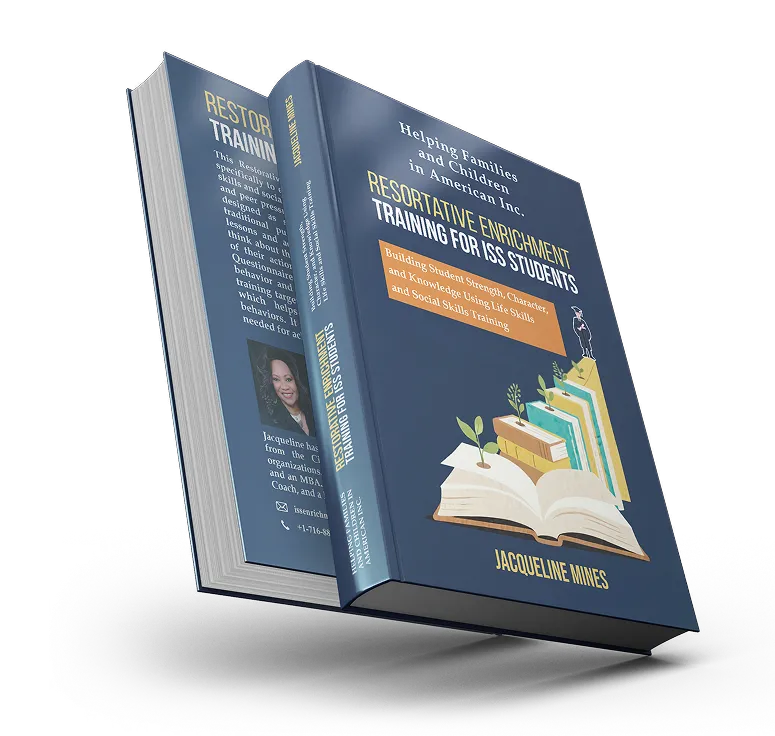
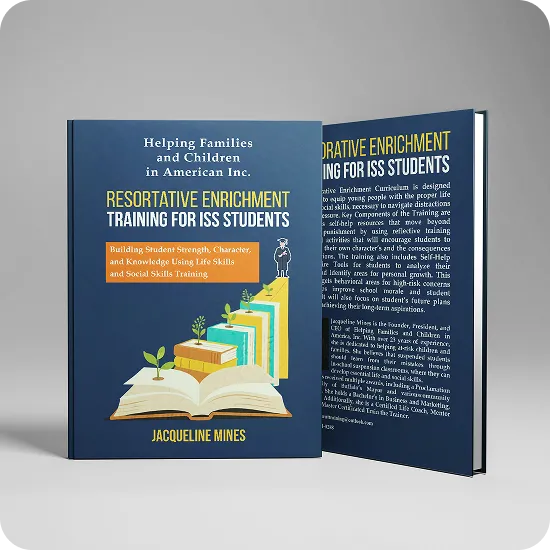
An evidence-informed enrichment curriculum designed to equip students with the life skills they need for success
Students who struggle behaviorally often lack essential life and social competencies
— not potential.
Overview
Through simple lesson-based activities, the training manual teaches important life skills such as communication, decision making, self-esteem, values, handling conflict, peer pressure, gang influence, and bullying.
Its goal is to help students learn better choices, take responsibility for their actions, and use these skills in both school and everyday life.
Structured lesson plans
Reflective exercises
Group discussions
Role-playing scenarios
Personal commitment tools
About the Training
In-school suspension (ISS) programs are most effective when they shift from “holding areas” to intervention spaces that actively teach the students life skills which they are most likely lacking. By integrating these eight life skills this training manual can address the root causes of misbehavior rather than just punishing the symptoms.
Why Schools Need an ISS Program That Will Focus on These 8 Skills Crucial Skills.
Effective Communication Skills:
Many students act out because they lack the ability to express frustration or needs verbally. ISS provides a controlled environment for one-on-one "restorative conversations" that teach students how to be heard without being disruptive.
Decision Making:
Impulsive behavior often leads to disciplinary action. An effective ISS program uses the time away from peers to help students analyze their choices, understand consequences, and practice better problem-solving for the future.
Self-Esteem:
Students with low self-esteem may act out to gain attention or "mask" academic struggles. Supportive ISS settings focus on a student's abilities, rather than disabilities, helping them re-engage with their work and feel a sense of achievement.
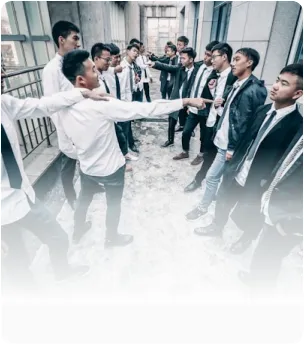
Peer-Pressure:
ISS removes the "audience" that often fuels negative behavior. This isolation allows educators to teach social resistance skills, helping students learn to say no and stand their ground when they return to the general population.
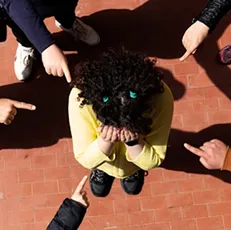
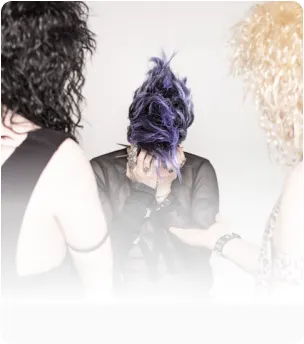
Bullying Hurt:
Both the bully and the victim benefit from intervention. ISS can be used to teach empathy and provide the specific social skills needed to resolve the underlying issues that lead to harassment.
Gang Affiliation:
Schools are safer when ISS programs offer prevention activities that replace the "belonging" found in gangs with a sense of belonging to the school community.
Conflict Resolution:
Traditional suspension often delays conflict rather than resolving it. ISS allows for immediate, skill-based teaching on how to manage frustration and use peaceful strategies to handle disagreements.
Values:
By teaching and reinforcing clear behavioral expectations, ISS programs help students internalize core values like responsibility, respect for self, and respect for others.
Key Benefits of This Approach
Prevents Learning Loss:
Unlike out-of-school suspension, ISS keeps students in the building working on their assignments with instructional support.
Reduces Recidivism:
When students are equipped with these eight skills, they are significantly less likely to be referred back to the program.
Improves School Climate:
A well-structured ISS program leads to a safer, more positive environment where teachers feel supported and students feel heard.
Core Philosophy
Traditional suspension removes students from the educational environment. This curriculum transforms suspension into structured enrichment.
The foundational principle:
Choices Today
Character Tomorrow
Students are guided to understand that:
Their decisions shape their identities.
Skills can be learned and strengthened.
The Eight Core Lessons
Communication
Learn how to speak clearly, listen well, and understand others better.
Decision Making
Learn how to make better choices and think before you act.
Self-Esteem
Build confidence, believe in yourself, and see your own worth.
Values
Learn what matters most and how your values shape your actions.
Handle Conflict
Learn how to deal with problems calmly and work things out with others.
Peer Pressure
Learn how to say no to bad influence and make your own choices.
Gang Affiliation
Learn about the dangers of gangs and better paths to take.
Bullying
Learn how bullying hurts others and how to respond in a better way.
For Schools & Administrators
This curriculum is ideal for:
Middle Schools
High Schools
Alternative Education Programs
Juvenile Intervention Programs
Component
Purpose
Learning Objectives
Clear behavioral goals
Discussion Prompts
Guided reflection
Clear behavioral goals
Accountability
Self-Evaluation Tools
Skill practice
Group Activities
Emotional impact
Real-World Letters
Featured Element
Includes a powerful first-person letter from Valentino Dixon of Attica Correctional Facility — offering students a real-world perspective on consequences and redemption.
About the Author
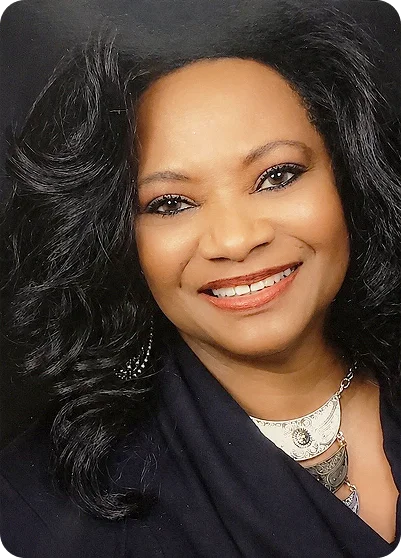
Meet Jacqueline Mines
Founder
Advocate
Educator
Community Leader
She has been committed to working with at-risk children and families for more than 23 years. She has a strong passion for working with individuals who are often frowned upon or misunderstood because of their economic status.
She has worked in many school buildings, teaching children important Soft Life Skills and Social Skills, which are often not taught in many schools across the United States and beyond. It is her belief that students should not be sent home when they are suspended, but instead sent to an in-school suspension classroom where they can learn from their mistakes.
Every disciplinary moment is an opportunity for growth.
Educator & Administrator Testimonials
Student Impact and Growth
Key Benefits Reported
Conflict Resolution:
Students learn to "talk it out" instead of reacting physically or aggressively.
Emotional Intelligence:
Life skills education helps students recognize and manage their own emotions and empathize with others.
Resilience:
Students are taught the ability to bounce back from setbacks and adapt to change, which is crucial for long-term success.
Blogs and Articles
Simple tips and lessons to help students make better choices and grow.
Blogs & Articles
Simple tips and lessons to help students make better choices and grow.
Source for
Updated Insights
Get updates, resources, and support for students, parents, and teachers on behavior, communication, and better choices.
Join our newsletter to stay updated!